Amid COP31 impasse, California's UC Climate Institute Showcases Subnational Leadership
AMID COP31 IMPASSE, CALIFORNIA’S UC CLIMATE INSTITUTE SHOWCASES SUBNATIONAL LEADERSHIP
UC San Diego, UCLA and UC Irvine climate experts join California lawmakers to turn cutting-edge research into results as global negotiations stall.
SACRAMENTO, CA (November 24, 2026) — COP31 in Antalya, Türkiye, ended Sunday without an overarching agreement after the European Union and other nations rejected a draft that omitted fossil fuels. With no official U.S. federal delegation, California’s new $38.2 million University of California Climate Change Research and Policy Institute showcased the power of subnational leadership at a November 11 Ocean Pavilion roundtable convened by UC San Diego’s Scripps Institution of Oceanography. Even amid global impasse, states and public universities can advance practical climate solutions.
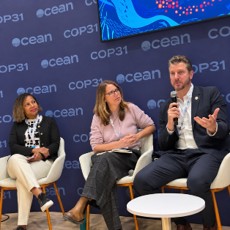
The Climate Institute will marshal experts across the UC system to help the Legislature and the next governor solve climate problems including energy affordability, wildfires, El Niño and flood risk, water security and public health.
Assembly and Senate champions of the Institute—Assemblymember Cottie Petrie-Norris and Senators Ben Allen and Henry Stern—led panels featuring experts from the UC delegation.

“The roundtable was a brilliant showcase of the collaborative relationship California’s government has with its powerhouse university system,” said Dr. Meenakshi Wadhwa, director of UC San Diego’s Scripps Institution of Oceanography and leader of the UC observer delegation to COP31. “Every UC campus has had a role to play in keeping California at the forefront of informed climate response, so we welcome the enthusiastic support of our state leaders.”
Cara Horowitz, executive director of UCLA Law’s Emmett Institute on Climate Change and the Environment, emphasized the policy stakes: “The Legislature’s historic investment in our public universities will help ensure that critically important research informs the state’s law and policy—which will advance climate action, equity, and affordability throughout the state.”
Stern’s panel focused on the work of UCLA’s Dr. Regan Patterson, including her co-authorship of the Racial Equity and Climate Justice report in California’s Fifth Climate Change Assessment, and her findings on how designated truck routes and cleaner trucks improve air quality in inland Southern California.

Dr. Patterson said: “This investment is an important opportunity to build on California's commitment to environmental justice by connecting innovative climate research with local priorities and ensuring that policies and solutions reflect the needs of communities across the state.”
Allen and Petrie-Norris delved deeper into UC Irvine’s Dr. Dominic Bednar’s research on energy burdens and justice, including his examination of how public safety power shutoffs affect medically vulnerable Californians. Dr. Bednar said: “I’m thrilled about the launch of the UC Climate Institute. By investing in just, equitable, and community-engaged research, we can deepen our understanding of what Californians need and transform the conditions they live in.”
Tom Corringham, a research economist at UC San Diego’s Scripps Institution of Oceanography studying flood losses and resilience incentives, underscored the urgency: “The UC Climate Institute is just what the science community needs right now, at a moment when climate science is under attack.”